Home Sellers
How Do I Decide When to Sell in Los Banos Without Trying to Predict the Market?
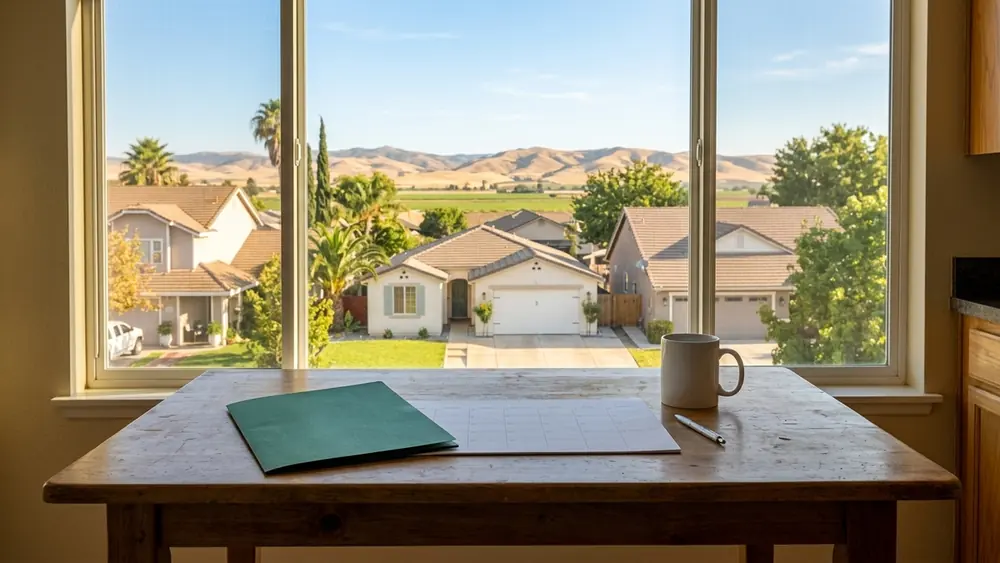
Decide when to sell a Los Banos home from your own timeline, your next move and the costs you can carry, then check current local sales information. No one can reliably predict the market, so a forecast makes a weak deadline.
On this page
Let your timeline set the date, not a forecast
You decide when to sell a Los Banos home by starting with your own timeline, your next move and what you can carry financially, then checking current local sales information. No one can reliably predict where the market is heading, so a forecast makes a weak deadline. A date built around your life, and tested against facts you can check today, gives you a decision you can stand behind.
This matters because waiting for the right moment can quietly become the plan itself. Sellers who hold off for a stronger market sometimes find their own deadlines arriving first: a job change, a new home that is ready, or a household that needs more or less space. Starting from what you know about your own situation keeps the decision in your hands, where it belongs, and makes the rest of the planning far more concrete.
This article walks through a way to choose your timing without guessing. It covers why predictions are a shaky foundation, how to work backward from your own dates, which costs shape the decision, the questions to ask and who answers each one, and how to tell a good reason to wait from a hopeful one. You will not find statistics or forecasts here, only questions and the people who can answer them.
Why market predictions make a shaky deadline
Predictions about prices and demand are everywhere, and they often disagree with each other. Even a careful forecast is a guess about the future, and your sale happens on a specific date with specific buyers. Building your plan around a prediction means your decision depends on something no one controls, which is a hard position to plan from. It can also leave you waiting for a signal that never clearly arrives.
What you can know is current. A REALTOR® can show you recent local sales and the homes currently competing for the same buyers, so you can judge the timing yourself. That information is a snapshot rather than a promise, and it will change, but it is grounded in what has actually happened. Ask how recent the comparisons are and why each one was chosen.
There is a useful difference between reading the market and predicting it. Reading it means understanding what buyers are seeing and paying attention to now. Predicting it means betting on what they will do later. You can make a sound decision with the first and still be uncertain about the second, which is simply the honest position every seller is in.
Working backward from the dates you control
Start with the date that matters most to you. That might be when you need to be living somewhere else, when a new job begins, or when a home you want to buy will be ready. Write that date down first, then list everything that has to happen before it: preparation, showings, negotiation, inspections and closing. Your REALTOR® can help you think through how each stage tends to work.
Once the steps are on paper, the latest workable list date becomes easier to see. It also shows you where you have room and where you do not. If preparation will take longer than expected, you know now rather than in the middle of showings. If your deadline is firm, you can plan for a slower response from buyers instead of hoping it will not happen.
Your next home belongs in the same timeline. If you own a home in Los Banos and plan to buy another, whether you sell first or buy first depends on how much you can carry at once. Selling first can mean temporary housing, and buying first can mean paying for two homes for a while. Settle that with your lender before you choose a date.
The costs that shape your timing
Timing is partly a money question, and the numbers that matter are specific to you. Rather than estimating them from general advice, take each one to the person who can actually answer it. Gathering these figures before you choose a date means your timing rests on your real situation instead of on guesses. These are the cost questions worth settling early.
- The costs of selling, which your REALTOR® and a title or escrow company can outline
- Your remaining loan balance and how to request a payoff figure from your lender
- Any tax questions about the sale, which belong with a tax professional who knows your situation
- What it would cost to carry your current home if your next one closes first
Once you have those answers, compare them with your timeline. A cost that seems manageable for a short stretch can look different if the sale takes longer than you hoped. Seeing the full picture lets you decide how much flexibility you have, and whether your timing should move earlier, later, or stay where it is. It also gives you a clearer sense of what you need from a buyer.
Questions that sort out your timing
Most timing decisions come down to a handful of questions, each with a clear owner. Some only you can answer, and others belong with a lender, a tax professional, a title or escrow company, or your REALTOR®. The table below lists the questions worth answering before you set a date, why each one matters, and who is in the right position to answer it.
| Question | Why it matters | Who to ask |
|---|---|---|
| When do I need to be moved? | It sets the latest list date that still works | You and your household |
| What will selling cost me? | It shows what you keep once the sale closes | Your REALTOR® and a title or escrow company |
| Can I carry two homes for a while? | It decides whether buying first is realistic | Your lender |
| How are similar homes selling right now? | It grounds your timing in current information | Your REALTOR®, using recent local sales |
| Are there tax questions in this sale? | The answers can change which timing suits you | A tax professional |
You do not need every answer before you start talking about timing, but you do need them before you commit to a date. Work through the questions in roughly the order shown, since your own deadline and your costs usually shape everything else. If a question leads to another one you had not expected, add it to your list and find out who should answer it. The aim is a date you understand, not one that merely feels right.
Waiting for a reason versus waiting in hope
Waiting can be the right choice. If repairs need finishing, if your next home is not ready, or if your household needs more time, a later date may simply fit your life. Those are reasons you can see and plan around. The decision to wait is strongest when you can say exactly what you are waiting for and roughly when it will be done.
Waiting for the market to change is different, because you cannot see when it will happen or whether it will happen at all. If you choose to wait for that reason, decide in advance how long you are willing to wait and what you will do if nothing changes. Write down what you would do if offers come slowly, so you are not deciding under pressure later. A plan for a slow response is not pessimism, just preparation.
Putting your timing plan on paper
A timing plan does not need to be complicated, and it is easier to discuss when it is written down. Before you talk with anyone about selling, spend a little time on these points. They turn a general wish to sell at the right moment into a plan you can test against current local information and adjust as you learn more.
- Your target move date and the latest date that would still work for you
- Where you plan to live next, and whether you expect to buy or rent
- The projects you want finished before photos, listed in the order you would tackle them
- What you would do if offers arrive more slowly than you hoped
If you are weighing when to sell a Los Banos home, Robert Ramirez can talk through your timeline with you, in English or Spanish, and help you find the current local information to test it against. Bring your written plan, even if parts of it are still blank. To start, what is the one date in your life that your sale needs to work around?
This article is general information about real estate decisions in Los Banos and Merced County, California. It is not legal, tax, insurance, or financial advice. Rules, prices, and market conditions change, so confirm current details with the responsible city or county office and with qualified professionals.

Written by