Home Sellers
My Los Banos Listing Hasn’t Sold. What Should Be Different When I Try Again?
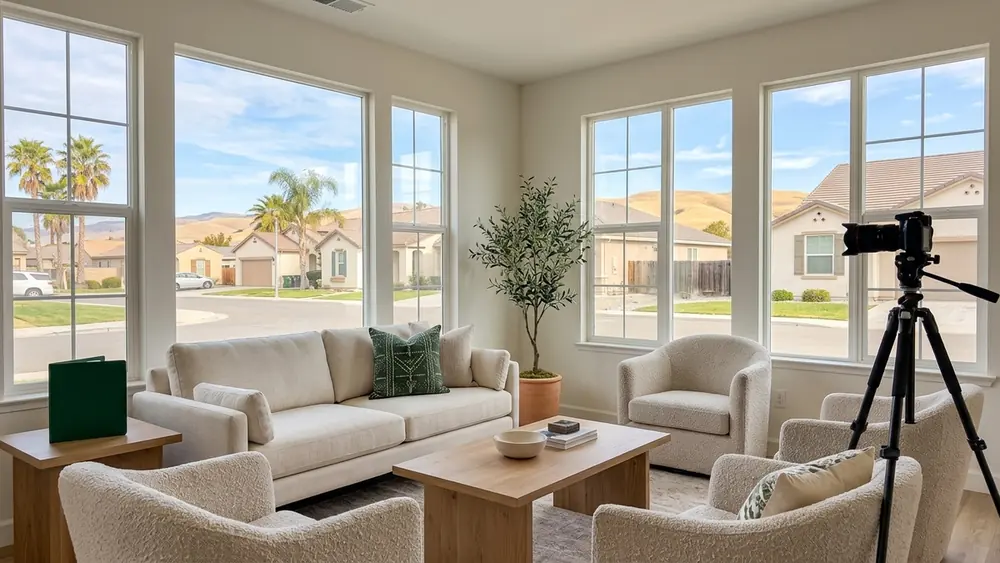
If your Los Banos listing has not sold, review three things before you try again: the price, how the home is presented, and your timing. Start with buyer feedback, then make one change at a time so you can see what worked.
On this page
- Review the price, presentation and timing first
- Start with what buyers actually told you
- Honest questions to ask about the price
- How the home looks online and in person
- Showings, access and the terms you offered
- Sorting possible changes by effort and cost
- Deciding whether to relist now or pause
- Bringing the full picture to your next conversation
Review the price, presentation and timing first
If your Los Banos listing has not sold, review three things before you try again: the price, how the home is presented, and your timing. Start with what buyers actually said, compare your home with what is available now, and then choose one change to make first. Changing a single thing at a time is what lets you see which change made the difference.
This matters because a listing that has not sold is information, not a verdict on your home. Buyers looked, compared and chose something else, or chose to wait. The reasons are usually findable, and they usually point to price, presentation, access or timing. Changing everything at once can feel decisive, but it leaves you guessing about what worked and what did not.
This article walks through how to read what happened, which questions to ask about price and presentation, what to check about showings and terms, how to sort possible changes by effort and cost, and how to decide whether to relist now or pause. It is about the general seller process. It makes no predictions and quotes no market figures, because those change. What it offers instead is a way to work out what to look at, and in what order.
Start with what buyers actually told you
Before you change anything, gather the feedback you have. That might include comments from showings, questions buyers asked repeatedly, offers that came in and fell away, or simply a lack of interest once the listing went live. Ask your REALTOR® for whatever feedback was collected, and write it down in buyers’ words rather than your own interpretation of it. Even a lack of comments tells you something worth noting.
Look for patterns rather than single comments. One buyer disliking a paint color tells you little, but several buyers raising the same concern tells you a lot, so group the feedback by theme: price, condition, layout, photos, access, or something outside the home you cannot change. The themes that come up most often are usually where your next decision should start. Keep the full list, though, since a minor theme can matter later.
Before you change anything, find out what buyers actually said. Then pick one change and give it a fair look, so you know what made the difference.
Honest questions to ask about the price
Price is often the first thing sellers look at, and it deserves a careful look rather than a quick cut. Ask which recent sales and current listings your price was compared with when you listed, and whether those comparisons still hold. Homes that were competing with yours may have sold, and new ones may have arrived. The question is how your home compares now, not then.
Ask for the reasoning behind any new number, not only the number itself. A price set too high can leave a home sitting, while a price set too low can leave money on the table. Your REALTOR® can show you current local sales information so you can see the comparison yourself. If the reasoning makes sense to you, the decision becomes much easier to make.
It also helps to separate price from everything else. If buyers raised concerns about condition or access, lowering the price may not answer them. If the feedback was mostly about value, a price review may be the clearest first step. Matching the change to the feedback keeps you from adjusting the price when the real issue was somewhere else entirely.
How the home looks online and in person
Most buyers meet your home online before they ever visit. Look at your listing as a stranger would: do the photos show the rooms buyers ask about, does the description answer the questions that kept coming up, and does anything look unfinished or unclear? Fresh photos or a clearer description can change who decides to visit, without changing anything about the home itself. Ask your REALTOR® whether the listing could show the home more clearly.
In person, small things carry weight. Clutter, worn finishes and minor repairs can make a fair price feel high to a buyer walking through. Ask your REALTOR® which items came up during showings, then decide which ones are worth addressing. For any repair you are unsure about, get a cost from a licensed contractor before you decide, so you are comparing real figures rather than rough guesses about what the work would involve.
Showings, access and the terms you offered
Sometimes the home and the price are reasonable, but something about access or terms kept buyers away. These are easy to overlook because they are not visible in the photos. Before you relist, look back at how showings actually worked and what you asked of buyers. The questions below help you check the practical details that can quietly limit interest.
- How easy it was for buyers to schedule a showing at times that suited them
- Whether the listing description answered the questions buyers kept asking during showings
- Whether terms such as the move-out date suited the buyers your home attracted
- Whether repairs a buyer would notice were still unfinished while the home was being shown
If any of these stand out, they may be simpler to fix than the price. Wider showing windows, a clearer description, or more flexible terms can open the home to buyers who passed the first time. Ask your REALTOR® how terms are usually handled, and take any question about contract terms or obligations to a real estate attorney before you change them.
Sorting possible changes by effort and cost
Once you know what the feedback points to, list the changes you could make and sort them by effort and cost. Some take an afternoon, and others take money or time you may not have. The table below sets out common changes, the question to answer before making each one, and who can confirm the answer for you.
| Possible change | Question to answer first | Who confirms it |
|---|---|---|
| New photos or description | Do they show what buyers kept asking about? | Your REALTOR® |
| Small repairs and cleaning | Which items came up in buyer feedback? | A licensed contractor, for costs |
| A price review | Which current sales and listings support a change? | Your REALTOR®, using recent local sales |
| Wider showing access | Did your schedule keep interested buyers away? | You and your household |
| A pause or new timing | What does your next move require, and when? | You, with your lender if buying next |
Pick the change that most closely matches the strongest pattern in your feedback, and start there. If two changes are closely linked, such as repairs and new photos, they can reasonably go together. Otherwise, give one change a fair period before adding another. That way, if interest picks up, you will know why, and you can decide what to do next with clearer information.
Deciding whether to relist now or pause
Not every listing should go straight back on the market. If repairs need finishing, if your next move has changed, or if you need time to rethink your plans, a pause may suit you. Ask yourself what would need to be true for you to feel ready, and how long you are willing to keep the home prepared for showings if you relist now.
Before you decide, read your current listing agreement and note its terms and end date, and ask questions about anything you do not understand. Your REALTOR® can explain the options, and a real estate attorney can answer any question about your obligations. Knowing where you stand lets you choose your next step calmly, instead of reacting to frustration or to the pressure of a date on the calendar.
Bringing the full picture to your next conversation
Whatever you decide, a short written summary makes the next conversation more useful. Note when the home was listed, what changed while it was on the market, the feedback buyers gave, and the questions they asked most often. Add your current timeline and whether your next move has shifted. That record turns a frustrating experience into information you can use, and it keeps the conversation focused on facts.
If your Los Banos listing has not sold and you want to talk through what to look at before you try again, Robert Ramirez can go through your notes with you, in English or Spanish. Bring the feedback you have, even if it is incomplete. To begin, which of the three feels most uncertain to you right now, price, presentation, or timing?
This article is general information about real estate decisions in Los Banos and Merced County, California. It is not legal, tax, insurance, or financial advice. Rules, prices, and market conditions change, so confirm current details with the responsible city or county office and with qualified professionals.

Written by