New Construction
What Should I Know Before Buying a New Home in Los Banos?
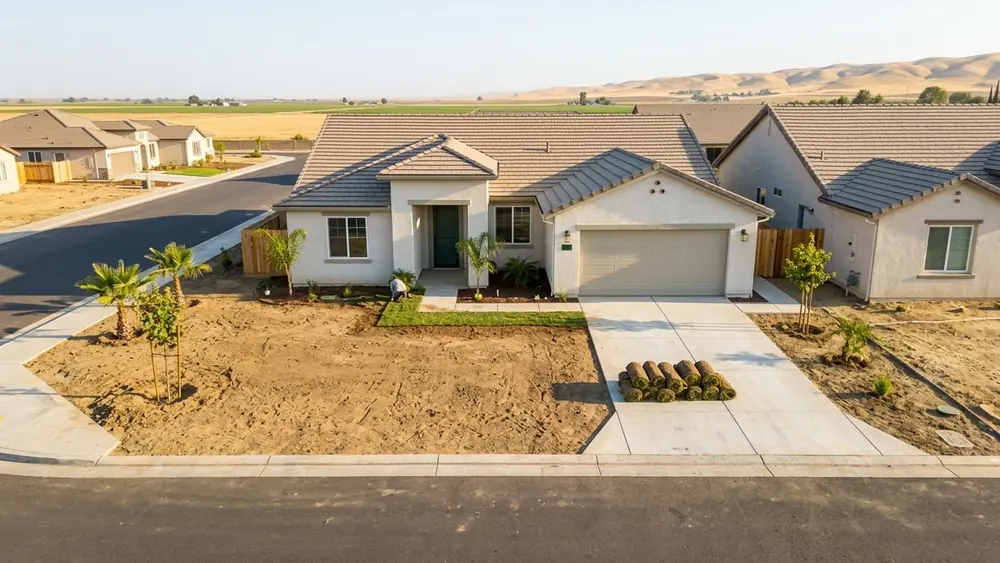
Before buying a new home in Los Banos, know that you are comparing a whole purchase process, not only a house. Find out who represents you, what the price includes, and how the contract and timeline work before you sign.
On this page
The short answer on buying new
The most useful thing to know before buying a new home in Los Banos is that you are choosing a process as well as a house. A new home usually comes with a builder’s contract, a sales office and a schedule set by someone other than you. Before you fall for a model or a floor plan, find out who represents you, what the price includes, and how the paperwork works. Those answers shape every other decision that follows.
This matters because the questions that protect you on a new home are different from the ones you would ask on a resale. With an existing home, you can usually walk through the exact house you would buy, open the cupboards and look at the yard. With a new home, you may be deciding from a model, a plan and a stack of documents, so the written details carry more of the weight and deserve more of your time.
None of this means a new home is a better or worse choice than a resale. It means the order of your questions matters more than it might seem at first. If you settle representation, price and paperwork early, the choice between homes becomes easier, because you are comparing them on the same written terms instead of on how a model felt on the afternoon you happened to visit. A clear order also makes it easier to walk away from a home that does not fit.
Questions to settle before your first visit
A first visit to a sales office can move quickly, so it helps to know what you want to learn before you walk in the door. Write down a few questions and ask each one the same way at every office you visit, then note the answers before you leave. That gives you a page of notes you can compare later, rather than a memory of which model looked nicest. Start with these.
- Who the sales office represents, and how it works with buyers who bring their own agent
- Whether the home you would buy is finished, under construction or not yet started
- Which features in the model are included and which are shown as options or upgrades
- Which documents you would be asked to sign, and when you could review each one
What to ask about the price and paperwork
A new-home price can mean different things depending on what is included, so ask the sales office to put the details in writing rather than relying on what you heard on the tour. Then compare that list with what a resale in a similar price range might already have. These questions help you see what the number on the sign actually covers, and what you might end up paying for separately. Ask the same set at every office so the answers line up.
- What the base price includes, and what the model shows that costs extra
- Which choices, such as finishes or the lot, change the final price
- Whether a deposit is required, and what happens to it if plans change
- How the contract handles changes to the schedule, and who decides them
- What ongoing costs, such as association dues or taxes, you should confirm separately
Assumptions that cause surprises with new homes
The first common assumption is that the model is the home. A model is often built to show what is possible, and the home you buy may look quite different once you see which features are actually part of your price. Ask for a written list of what your home will include, and compare it line by line with what you saw and liked on the tour. If something you expected is missing, ask about it before you sign, not after.
The second assumption is that a new-home contract works the same way as a resale contract. It can differ, and the differences may affect deposits, schedules and what happens if something changes along the way. Take your time with every document, and ask a real estate attorney or another qualified professional about anything you do not fully understand before you sign it. A question asked early is far easier to resolve than one raised after a deadline.
The third assumption is that a brand new home needs no inspection. A home that has never been lived in can still have issues that are worth finding early, while they are easier to raise. Ask the sales office whether you can arrange your own home inspector, and at which points in the process an inspection would be possible, so you can plan for it instead of wondering about it later.
Who represents you at the sales office
The people in a builder’s sales office are usually there for the seller, which is the builder. They can be helpful and well informed about the homes, but their role is to sell for the builder, not to look after your side of the purchase. That is a normal arrangement, and knowing it from the start helps you decide what kind of help you want for yourself. The question is simply whether you also want someone whose job is your side.
If you want your own REALTOR® involved, it is worth asking the sales office before your first visit how it works with outside agents. Some offices may ask that a buyer’s agent be named or present from the start, while others may handle it differently, so do not assume either way. Ask the question plainly, and get the answer in writing so you know exactly where you stand.
I would ask who represents you before you ask about countertops. Once you know whose side everyone is on, the rest of your questions get easier to answer.
Checking costs and rules with the source
A new home can come with ongoing costs that are not part of the price, and they deserve the same attention as the contract itself. If there is an association, ask the HOA for its documents and read them before you commit. Ask a tax professional or the county offices about property taxes, and ask an insurer about coverage, rather than relying on a summary in a listing or a brochure. Each of those sources can tell you what applies to the specific home you are considering.
Financing is its own conversation, and it is worth having early. A lender can explain how a new-home schedule might affect your loan and your budget, and what to ask if the completion date moves. Talk with a lender before you sign anything with a builder, so the financing fits the home you choose rather than forcing a choice you would not otherwise make. Bring the builder’s documents with you so the lender can see what you are being asked to agree to.
What to bring to a first conversation
You do not need to have chosen a home, or even decided between new and resale, before you talk it through with someone. A short written list is enough to start. Note your budget range, when you would like to move, where you work, and whether you have a home to sell first, since that last point can shape the timing of a new-home purchase more than anything else. Rough answers are fine, since the point is to see which decisions are still open.
Add any sales offices you have already visited, and anything you have already signed or been asked to sign while you were there. Bring the questions that felt least clear when you left, even if they seem small. Those notes make it easier to see what has been settled and what still needs an answer from the builder, the lender, the inspector or another professional. Bring copies rather than originals, and keep them together in one folder.
If you are weighing a new home in Los Banos and want help putting your questions in order, you can bring them to Robert, in English or Spanish, whether or not you have picked a home. Start with whatever feels least settled. Which question about buying new feels least clear to you right now, and who would you need to ask to get a firm answer?
This article is general information about real estate decisions in Los Banos and Merced County, California. It is not legal, tax, insurance, or financial advice. Rules, prices, and market conditions change, so confirm current details with the responsible city or county office and with qualified professionals.

Written by